Sell My House Fast in Wisconsin: What Actually Happens When You Need Out Fast

You typed "sell my house fast Wisconsin" into Google for a reason. Maybe it's a foreclosure clock ticking. Maybe it's a house you inherited three states away and don't know what to do with. Maybe it's a rental with a tenant who stopped paying and you're just done. Whatever brought you here, you don't need a sales pitch. You need someone to lay out your actual options and tell you the truth about each one.
That's what this is. I'm Ben Gohlke, and between running Realty Dynamics as a broker for over 25 years and co-founding WEBUYWI.com, I've sat across the table from hundreds of Wisconsin homeowners trying to figure out the fastest, least painful way to sell. Some needed a cash offer in a week. Some needed the open market. A lot of them needed something in between that nobody had explained to them yet.
Let's get into it.
Why So Many Wisconsin Sellers Are Searching for a Faster Way Out
Something's shifted in the market. I've noticed more people holding onto houses out of necessity, not desire — meaning when someone does decide to sell, it's rarely a "want to" situation anymore. It's a "need to." A divorce. A death in the family. A health issue that means someone can't manage stairs anymore. An inherited property nobody has time to deal with. A rental property that's turned into a headache.
When you're in a need-to-sell situation, the traditional selling process — the one built around open houses, showings, repairs, and a 30-to-68-day timeline — often doesn't fit. That's where fast, flexible options come in. But "fast" means different things depending on who you ask, so let's define it clearly.
I say this to almost every seller I sit down with: this shouldn't be treated as just a transaction. If you've got a hardship behind the sale — a health issue, a divorce, a house you inherited and don't know what to do with — the goal isn't only to close the deal. It's to get you to a slightly better place than where you started. Sometimes that means cash in a week. Sometimes it means listing and being patient. Most people never get anyone to explain both sides clearly enough to actually choose.
The Real Difference Between a Cash Offer and a Traditional Sale
A traditional sale means listing your house on the open market through a real estate agent, letting buyers tour it, negotiating based on inspections, and waiting on mortgage approvals to clear before you close. It can get you a strong price, especially in a seller's market, but it takes time and it usually requires the house to show well.
A cash sale means a cash home buyer — an investor, not someone who needs a mortgage — makes you a cash offer for the house as it sits today. No bank underwriting. No repair list. No showings parade. You get a number, you decide if it works, and if it does, you pick a closing date that fits your timeline.
Neither one is "better." They solve different problems. That's the whole point of this post.
How Long a Traditional Listing Actually Takes in Wisconsin
If you list with a traditional agent, you're typically looking at 30 to 68 days from listing to closing, depending on your market and how the house is priced. That number moves around based on season, location, and condition, but it's the honest range most sellers should expect. If you're facing a deadline — a foreclosure sale date, a closing on your next house, an estate that needs settled — that window can feel impossibly long.
How Fast a Cash Sale Can Actually Close
A legitimate cash home buyer can typically close in 7 to 14 days. Some deals move even faster than that if the title is clean and everyone's ready to sign. You can often get an actual cash offer in your hand within 24 to 48 hours of a walkthrough, and from there it's just a matter of picking your closing day.
That speed is the entire value proposition of selling for cash. You're trading some amount of price for a guaranteed, fast, and predictable close.
What a Fair Cash Offer Actually Looks Like
A fair cash offer isn't the highest number a stranger can text you. It's a number grounded in your home's actual condition, comparable sales in your area, and what it would realistically cost an investor to fix and resell or hold the property. A trusted local home buyer will walk the house, ask questions, and explain how they arrived at their number — not just throw out a figure and pressure you to sign.
If a buyer can't explain their math, that's a red flag, not a bargain.
Why Cash Offers Land at 50% to 70% of Market Value
Here's the number people search for and rarely get a straight answer on: most cash offers fall somewhere between 50% and 70% of a home's fair market value. That's not a scam — it's the tradeoff for speed, certainty, and skipping repairs. The buyer is taking on the renovation costs, the holding costs, the risk, and the time it'll take them to resell.
The right question isn't "why is this offer lower than market value." It's "does the speed and simplicity of this sale outweigh the gap in price for my specific situation." For a lot of sellers facing foreclosure or an inherited property they can't maintain, the answer is yes. For a patient seller with a move-in-ready house, the answer might be no — and that's fine. That's why options exist.
Fair Market Value vs. What You Actually Walk Away With
Fair market value is what your home could sell for on the open market to a buyer using a mortgage, in reasonable condition, with reasonable time to market it. It's a useful number, but it's not the number that lands in your pocket.
Once you factor in agent commissions, closing costs, repair expenses, and the weeks or months of holding costs while the house sits on the market, the gap between "market value" and "cash in hand" on a traditional sale is often smaller than people assume — and the gap on a cash sale is often smaller too, once you remove all those line items from the equation.
Closing Costs: The Line Item Nobody Explains Upfront
Closing costs are the fees involved in actually finalizing the sale — title work, recording fees, prorated taxes, and various administrative charges depending on your local title company and county. On a traditional sale, sellers often cover a portion of these, plus agent commissions on top. On a cash sale with a legitimate buyer, it's common for the buyer to cover closing costs entirely, which is one of the bigger practical differences between the two paths.
Always ask directly: who is paying closing costs, and is that already reflected in the offer you were given.
Hidden Fees That Show Up Late in the Process
Hidden costs are the reason a lot of sellers end up with less than they expected. On a traditional sale, this can include repair negotiations after inspection, seller concessions requested by the buyer, and last-minute contract terms that shift the numbers. On a cash sale, hidden fees show up when a buyer isn't upfront — an administrative charge here, a "processing" fee there, deductions that weren't in the initial conversation.
A legitimate cash buyer will give you a number and stick to it, minus anything you agreed to in writing.

Who Pays Closing Costs in a Cash Sale
In most cash sale transactions, the cash buyer covers the closing costs and often the service fee associated with the local title company handling the transaction. That's part of what makes the process simpler on your end — you're not budgeting for costs eating into your proceeds the way you would on a traditional sale.
Agent Commissions and Why They Add Up Fast
A traditional agent sale typically involves commission to both the listing agent and the buyer's agent, often totaling several percentage points of the sale price. On a $250,000 house, that's real money — money that comes straight out of your proceeds at closing. It's not a knock on real estate agents; they earn that by marketing your home, running showings, and negotiating on your behalf. But it's a cost that doesn't exist in a direct cash sale, and it's worth knowing before you compare offers side by side.
Should You Worry About a Service Fee From a Cash Buyer?
Some cash buyers or iBuyer companies charge a service fee similar to an agent commission, quietly bringing their "cash offer" much closer to a traditional sale in terms of what you net. This is one of the most important things to ask upfront: is there a service fee, and if so, how much. A straightforward cash home buyer should be able to answer that in one sentence, not a paragraph of fine print.
What "Sell As Is" Actually Means for You
Selling as is means you're not expected to fix anything before closing. No painting, no new carpet, no negotiating over the water heater. The buyer takes the house exactly as it stands — cosmetic issues, deferred maintenance, and all.
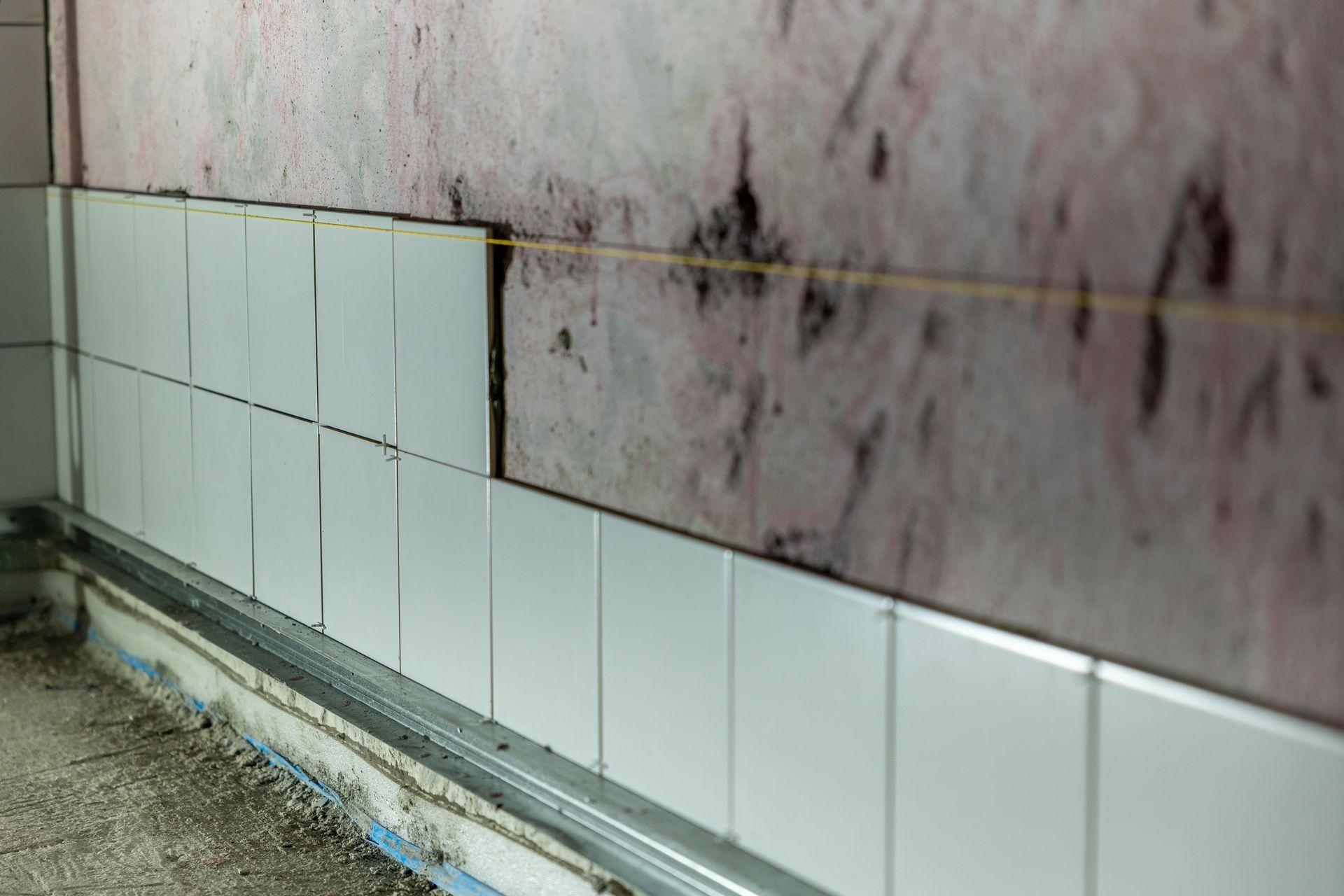
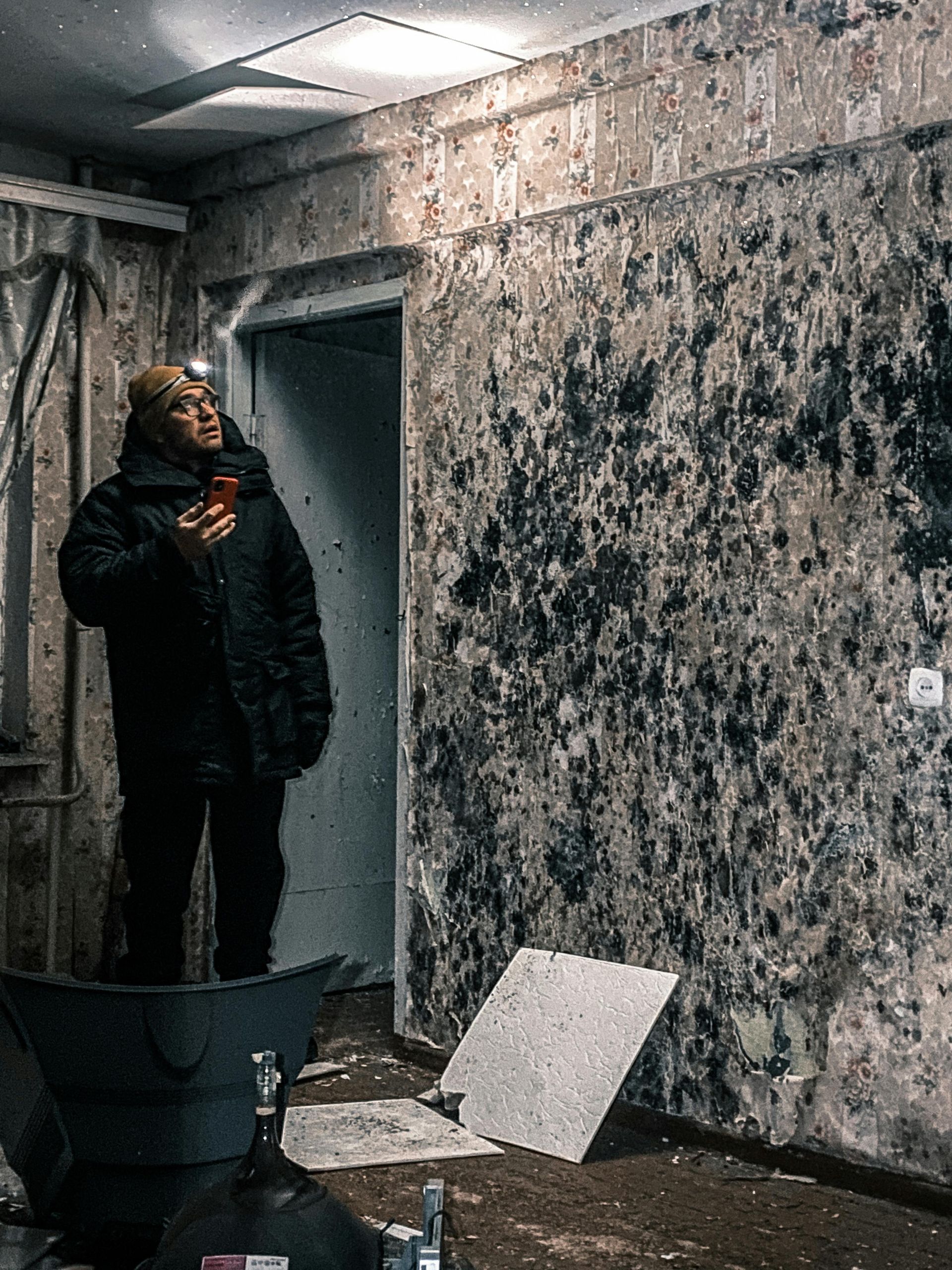
This matters most for sellers dealing with a property they haven't lived in or maintained recently: an inherited house, a rental that's been through hard tenants, or a home tied to a hardship where repairs simply weren't possible.
Repair Expenses You Skip When You Sell As Is
Traditional buyers using a mortgage typically need the home to pass inspection standards, which means repair expenses often become a negotiation point after an accepted offer — sometimes derailing the deal entirely. Selling as is to a cash buyer means you skip that step completely. No contractor quotes, no scrambling to fix a roof or a furnace before closing, no repair negotiations eating into your timeline.
Renovation Costs vs. Just Selling the House As Is
I've walked plenty of homes where the sellers had already sunk money into a remodel that didn't finish well — new flooring installed poorly, cabinets half-painted, a kitchen gutted but never completed. In those situations, pouring more money into renovation costs rarely makes financial sense. Selling the house as is, to a buyer who already accounts for that work in their offer, is often the more rational move than trying to finish a renovation under time pressure.
Structural Issues, Fire Damage, and Other "Unsellable" Problems
A house with foundation cracks, fire damage, or major structural issues is a hard sell on the open market — most traditional buyers and their lenders won't touch it. Cash buyers are built for exactly this scenario. They evaluate the property for what it is, price in the cost of the repair, and still make an offer. If you've been told your house is "unsellable" by a traditional agent, that usually means unsellable through a traditional financed buyer, not unsellable, period.
Selling a Rental Property With Tenants Still In It
If you own a rental property and you're tired of managing it — bad tenants, deferred maintenance, distance from the property — you don't have to wait for the lease to end or force anyone out before selling. Cash buyers regularly purchase tenant-occupied properties as is, taking over the landlord relationship or handling the transition themselves. This is one of the more overlooked fast options for landlords who are simply done.
Inherited Properties: A Different Kind of Sale
Inherited properties come with their own emotional weight and their own practical mess — probate timelines, out-of-state heirs, personal belongings still in the house, deferred maintenance from an owner who may not have been able to keep up with it in their final years. These sales aren't like typical listings. They need patience and a buyer who understands the process isn't purely transactional. A cash sale often fits inherited properties well because it removes the burden of cleaning out, repairing, and staging a house that isn't your day-to-day responsibility.
Homes With Liens or Already in Foreclosure
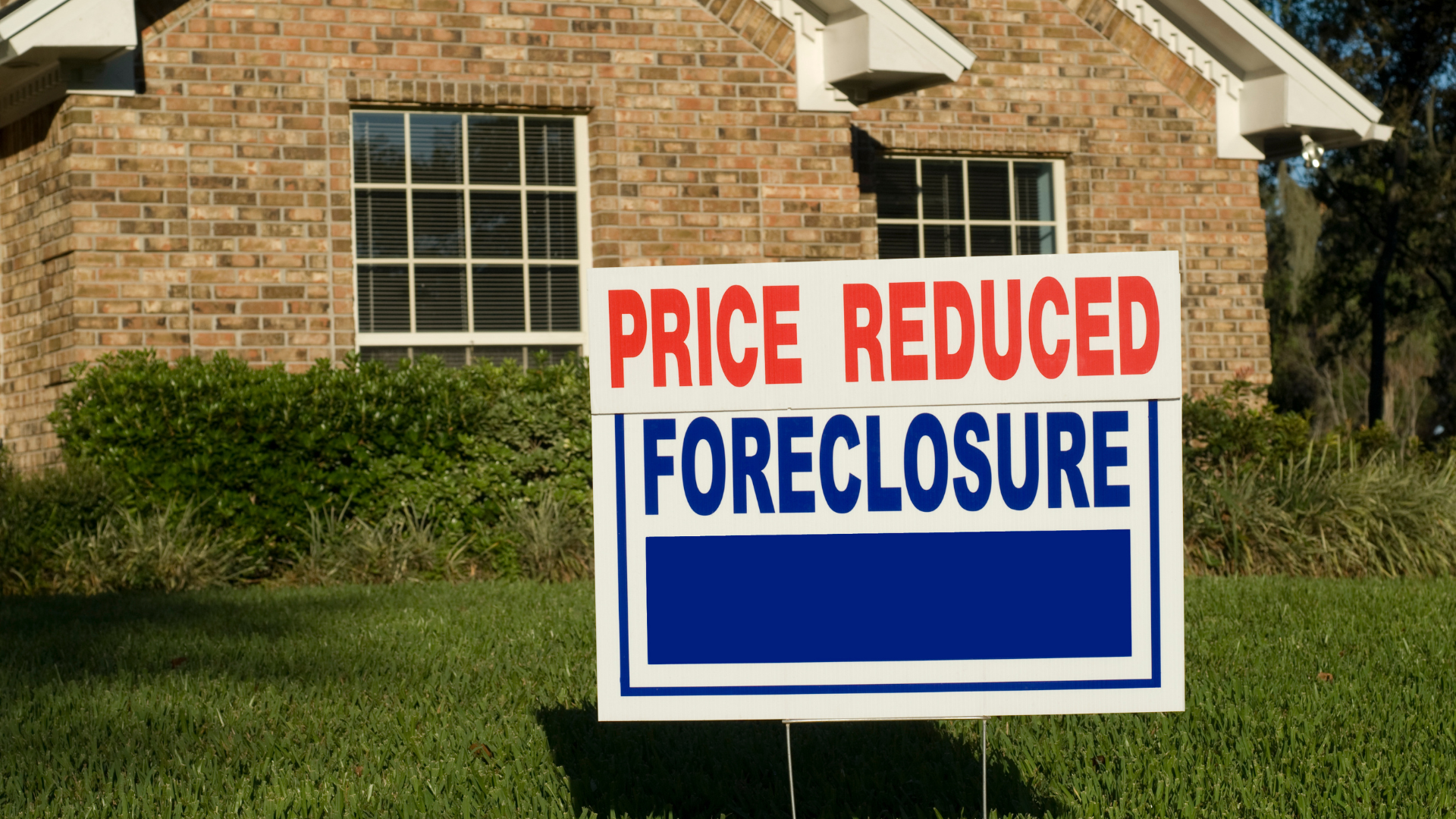
If your house has liens attached or you're already in foreclosure, your options narrow — but they don't disappear. I've worked with sellers who were a month away from auction, deep in a foreclosure they didn't think had a way out. In one case, a couple had fallen three years behind on their mortgage and assumed they were underwater. They weren't. We found enough equity to clear what they owed and still put money in their pocket at closing — barely, but enough that they walked away with something instead of nothing.
Investors regularly buy properties with liens or in foreclosure situations specifically because they can move fast enough to beat the clock. If you're in this spot, time matters more than almost anything else, so don't wait to find out what's actually possible.
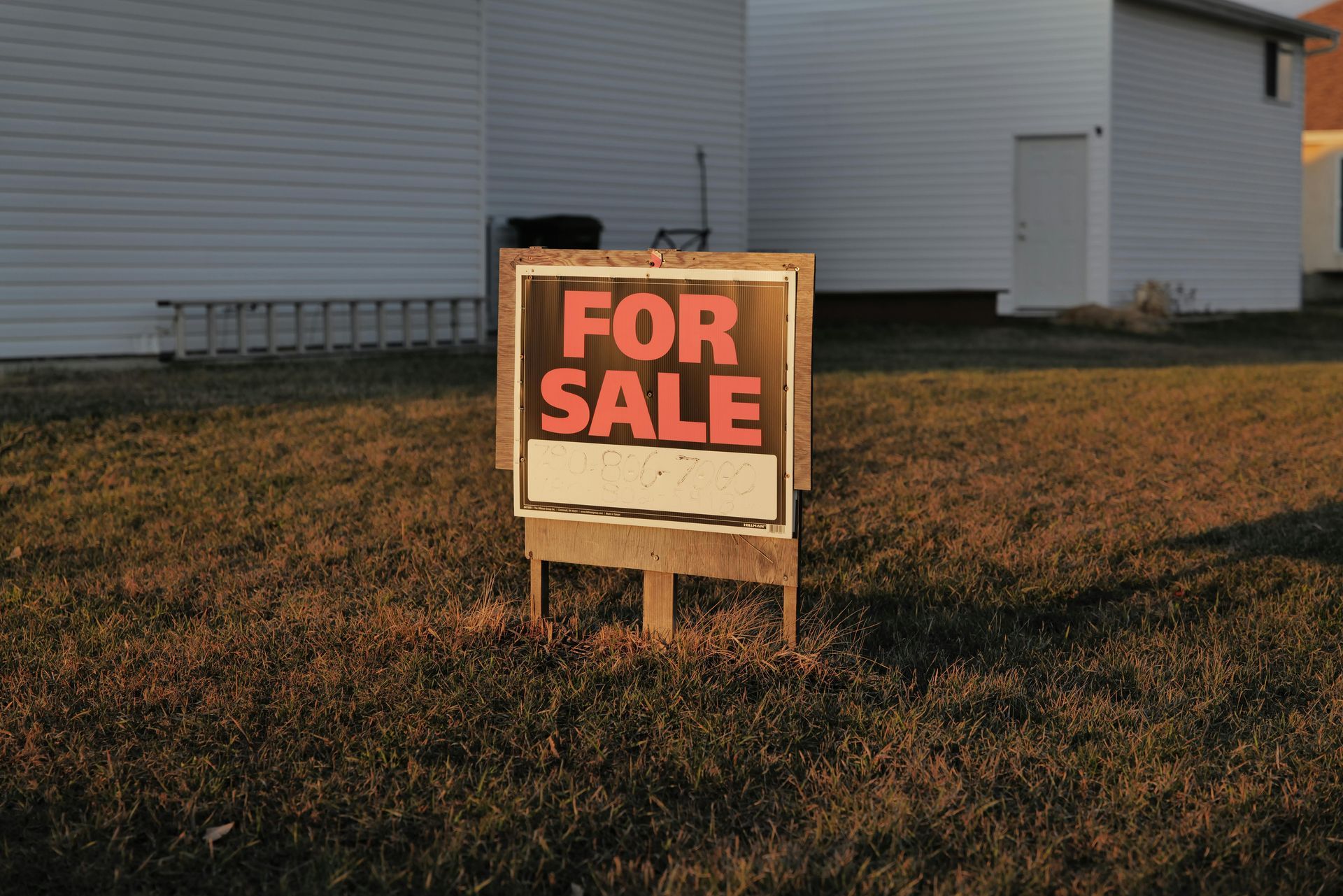
Mobile Homes, Single Family Homes, and Everything in Between
Cash buyers purchase a wide range of property types — single family homes, townhomes, condos, and mobile homes. Not every buyer works across all these categories, so if you own a mobile home specifically, it's worth confirming upfront that the buyer you're talking to actually buys that property type rather than finding out later they only work with single family homes.
How to Spot a Legitimate Cash Buyer
There are dozens of cash buyer companies operating across Wisconsin — over 60 by some counts — and they are not all equal. A legitimate cash buyer will provide a proof-of-funds letter, typically within 24 hours of a serious conversation. They'll be transparent about their business registration. They'll walk you through how they arrived at their number instead of just naming a figure. And they'll never rush you to sign something before you've had a chance to actually read it.
Proof of Funds and Business Registration: What to Ask For
Before you sign anything, ask two direct questions: can I see proof of funds, and is your business registered to operate in Wisconsin. A trusted local home buyer will have both ready without hesitation. If someone hedges or gets vague, that tells you something important before you're any deeper into the conversation.
Red Flags: When a Cash Buyer Is Pressuring You
Pressure to sign quickly, without time to review the offer, is one of the clearest warning signs in this industry. So is a written offer full of language you don't fully understand, or a buyer who won't explain how their number was calculated. A legitimate cash buyer wants you to feel confident in the decision, not rushed into it. If it feels like pressure instead of a conversation, that's worth paying attention to.
Why You Should Always Compare Multiple Cash Buyers
Most cash buyers price properties a little differently depending on their strategy. A buy-and-hold investor might land at one number. A fix-and-flip buyer might land somewhere else. A wholesaler might come in lower but close even faster. Getting instant offers from a single source can leave real money on the table. Shopping your property to a handful of investors — five to seven offers isn't unusual — often surfaces a meaningfully better number without costing you any real time.
Instant Offers vs. Waiting on Multiple Offers
There's a tradeoff between the very first offer you get and the best offer you could get with a little more patience. If your priority is the absolute fastest close possible, taking a quick, clean cash offer from the first conversation might make sense. If you have even a little flexibility, letting multiple offers compete against each other tends to push the number up — sometimes by a meaningful margin — without extending your timeline by more than a few days.
What Happens After You Accept a Cash Offer
Once you accept, the process moves into title work. A local title company handles the search, confirms there are no unexpected liens or issues, and prepares the closing paperwork. Because there's no mortgage approval to wait on, this step moves considerably faster than a traditional sale. Most of the waiting in a cash deal is simply the title company doing its job, not a lender clearing a buyer's financing.
The Local Title Company's Role in Your Closing
Your local title company is the neutral party making sure the transaction is clean — verifying ownership, checking for outstanding liens, and disbursing funds correctly at closing. Working with an established, local title company matters more than people realize; it's part of what makes a cash sale legitimate and traceable, versus a handshake deal that could come back to bite you later.
Choosing Your Own Closing Date
One of the most underrated parts of a cash sale is control over your closing day. Need to close in eight days because of a foreclosure deadline? Possible. Need six weeks because you're coordinating a move to your next place? Also possible. Traditional sales are largely dictated by the buyer's mortgage timeline. Cash sales let you set the date that actually works for your life.
When the Traditional Listing Still Makes Sense
I'll be straight with you — a cash sale isn't always the right move. If you have some patience and the house is in decent shape, listing on the open market through a real estate broker can capture more value, especially in a seller's market.
I've had sellers who thought they were priced too aggressively and still ended up with competing offers pushing the price higher. Pricing at the sweet spot — not too high, not too low — tends to generate multiple offers fairly quickly, and you get to choose the one with the best overall terms, not just the highest number.
Curb Appeal, Staging, and Photography (If You Go the Open Market Route)
If you do decide traditional listing is the right call, a few things move the needle more than people expect. Curb appeal significantly influences how much interest a house generates and how fast it sells. Professional photography is close to mandatory now, since most buyers are scrolling listings online before they ever request a showing. Basic staging — decluttering, depersonalizing, letting a buyer picture their own life in the space — consistently helps homes sell faster. None of this is required for a cash sale, but it matters a lot if you're weighing the open market.
Flexibility on showings matters too. Homes that accommodate short-notice tours and open houses tend to generate buyer interest faster than ones that only allow scheduled visits days out. If your timeline allows it, staying flexible on access is one of the simplest ways to speed up a traditional sale without spending a dollar on repairs or renovation costs.
Real Estate Broker vs. Individual Agent: Does It Matter?
Working with a real estate broker rather than a single agent can matter more than sellers realize, particularly for a distressed or complicated sale. A broker-owned brokerage often has a wider network of cash buyers and investors on top of the traditional agent relationships, which means you're not locked into one lane before you even start.
That's part of what a hybrid approach is actually built on — having both toolsets under one roof instead of needing two separate people for two separate paths.
The Hybrid Approach: Why You Don't Have to Pick Just One Option
This is the part most sellers don't know is even on the table. You don't have to choose between a cash offer and a traditional listing on day one. You can start with one and pivot to the other. I've had sellers try the open market for two weeks, and when the offer they wanted didn't materialize, we pivoted straight into shopping the property to cash buyers instead. That flexibility — being able to move between lanes as your situation changes — is the entire reason the hybrid approach exists.
Creative Solutions: Rent-to-Own and Land Contracts
Not every situation fits neatly into "cash offer" or "list it." Sometimes a rent-to-own arrangement or a land contract solves a problem that neither of those options touch — a seller who needs income more than a lump sum, or a buyer who can't qualify for a mortgage yet but can make it work over time. These solutions come up less often, but when they fit, they fit well. The goal is always the same: have a real conversation with the seller and build a solution around what they actually need, not what's easiest to sell.
Selling in Milwaukee, Green Bay, and Surrounding Wisconsin Communities
Local market knowledge matters more than people give it credit for. Home values, days on market, and buyer demand vary block by block in Milwaukee, and the same is true across Green Bay and the surrounding communities throughout the state. A cash buyer or agent without real Wisconsin roots is guessing at your local market. A lifelong Wisconsin resident who's spent decades in these neighborhoods isn't.
Why Working With a Trusted Local Home Buyer Matters
There's a difference between a national cash-for-houses company running the same script in every state and a local investor and broker who actually knows your street, your school district, and your local title company by name. That familiarity shows up in more accurate offers, fewer surprises at closing, and a process that feels like a conversation instead of a transaction with a stranger.
The Selling Process, Step by Step
Whether you go cash, traditional, or hybrid, the actual buying process tends to follow a similar shape: initial conversation and walkthrough, an offer (instant for cash, market-driven for traditional), review and negotiation if needed, title work and inspection where applicable, and a closing day you agree to. Knowing this sequence upfront removes a lot of the anxiety that comes from not knowing what's supposed to happen next.
How to Get a Free, Zero Obligation Cash Offer
If you want to see what a cash offer actually looks like for your specific house, it costs you nothing to find out. A walkthrough, a fair cash offer based on your property details and condition, zero obligation to accept it. You can take that number, compare it against listing on the open market, and decide with real information instead of a guess.
Frequently Asked Questions About Selling Your House Fast in Wisconsin
How fast can I actually sell my house for cash in Wisconsin? Most cash sales close in 7 to 14 days once you accept an offer, with the offer itself often available within 24 to 48 hours of a walkthrough.
Will a cash buyer really buy my house in any condition? Yes — structural issues, fire damage, deferred maintenance, and tenant-occupied properties are all fair game for most cash home buyers.
Do I have to pay closing costs on a cash sale? In most cases, no. Legitimate cash buyers typically cover closing costs as part of the deal.
Is a cash offer always lower than market value? Yes, typically in the 50% to 70% range, in exchange for speed, certainty, and skipping repairs entirely.
Can I sell an inherited property before probate is fully settled? In many cases, yes, depending on your specific probate situation — this is worth a direct conversation rather than assuming either way.
What if I want to try the open market first? That's completely reasonable, especially with some patience and a house in decent shape. You can also set a timeline and pivot to a cash sale if the market doesn't deliver what you need in that window.
The Bottom Line on Selling Your House Fast in Wisconsin
There's no single right answer to selling a house fast in Wisconsin — there's only the right answer for your specific situation. A clean cash close for someone who needs to be done in a week. A patient traditional listing for someone with room to wait for the right number. A hybrid approach for someone who wants to try one and keep the other in their back pocket. A creative solution for a situation neither of those fit.
The goal isn't to sell you on cash or talk you into the open market. It's to have an honest conversation about what you're dealing with and build a path that actually fits — one that hopefully leaves you a little better off than where you started, not just a little lighter on stress.
If you're ready to see what your options actually look like, reach out and let's talk through your specific house and situation.